Holy Week: The Days Before Easter Explained
Holy Week is the sacred bridge from Palm Sunday to Easter morning — the days the Church walks with Jesus through His entry into Jerusalem, the Last Supper, His Passion and death, and the joy of the Resurrection. Here is the whole week explained, day by day.
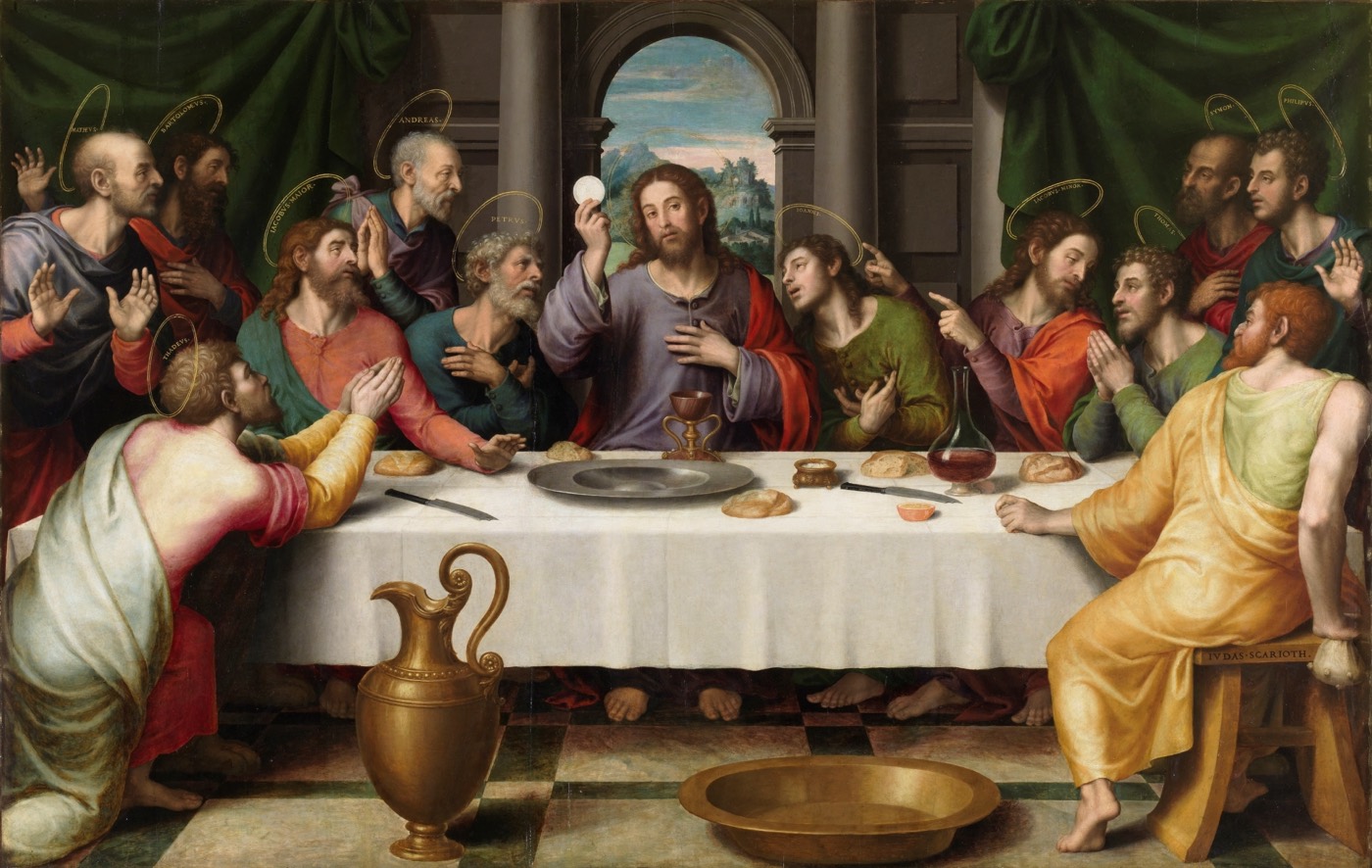
Holy Week is the final and most sacred week of Lent, the week before Easter, when the Church relives the last days of Jesus' earthly life. It begins on Palm Sunday and reaches its summit in the Sacred Paschal Triduum — the three days of Holy Thursday, Good Friday, and the Easter Vigil — before breaking into the joy of Easter Sunday and the Resurrection.
Whatever your parish or wherever you find yourself, you can find Holy Week and Easter Mass times near you on the free Catholic Connect map — Palm Sunday Mass, the Holy Thursday Mass of the Lord's Supper, the Good Friday Passion liturgy, and the Easter Vigil.
The Holy Week timeline, day by day
The first days of Holy Week lead steadily toward the Cross. Here is the order of the week, from Palm Sunday through Spy Wednesday — before the Sacred Triduum begins on Holy Thursday evening.
Palm Sunday
of the Lord's PassionHoly Week opens with Palm Sunday, when the Church remembers Jesus riding into Jerusalem as crowds waved palm branches and cried 'Hosanna.' At Mass the faithful carry blessed palms, and the full account of the Passion is read — a striking turn from triumph to the Cross that sets the tone for the whole week.
Holy Monday
On Holy Monday the Gospel recalls Mary of Bethany anointing the feet of Jesus with costly perfume six days before the Passover — a quiet act of love that Jesus says points toward His burial.
Holy Tuesday
Holy Tuesday's Gospel foretells the betrayal of Judas and Peter's coming denial. In many dioceses the Chrism Mass is celebrated this week, when the bishop blesses the holy oils and priests renew their promises.
Holy Wednesday
Spy WednesdayOften called Spy Wednesday, this day recalls Judas Iscariot agreeing to hand Jesus over for thirty pieces of silver. The name 'spy' refers to the secret plot of betrayal now set in motion. It is the last day before the Sacred Triduum begins.
The summit of the year
The Sacred Paschal Triduum
The Sacred Triduum: Holy Thursday, Good Friday, the Easter Vigil
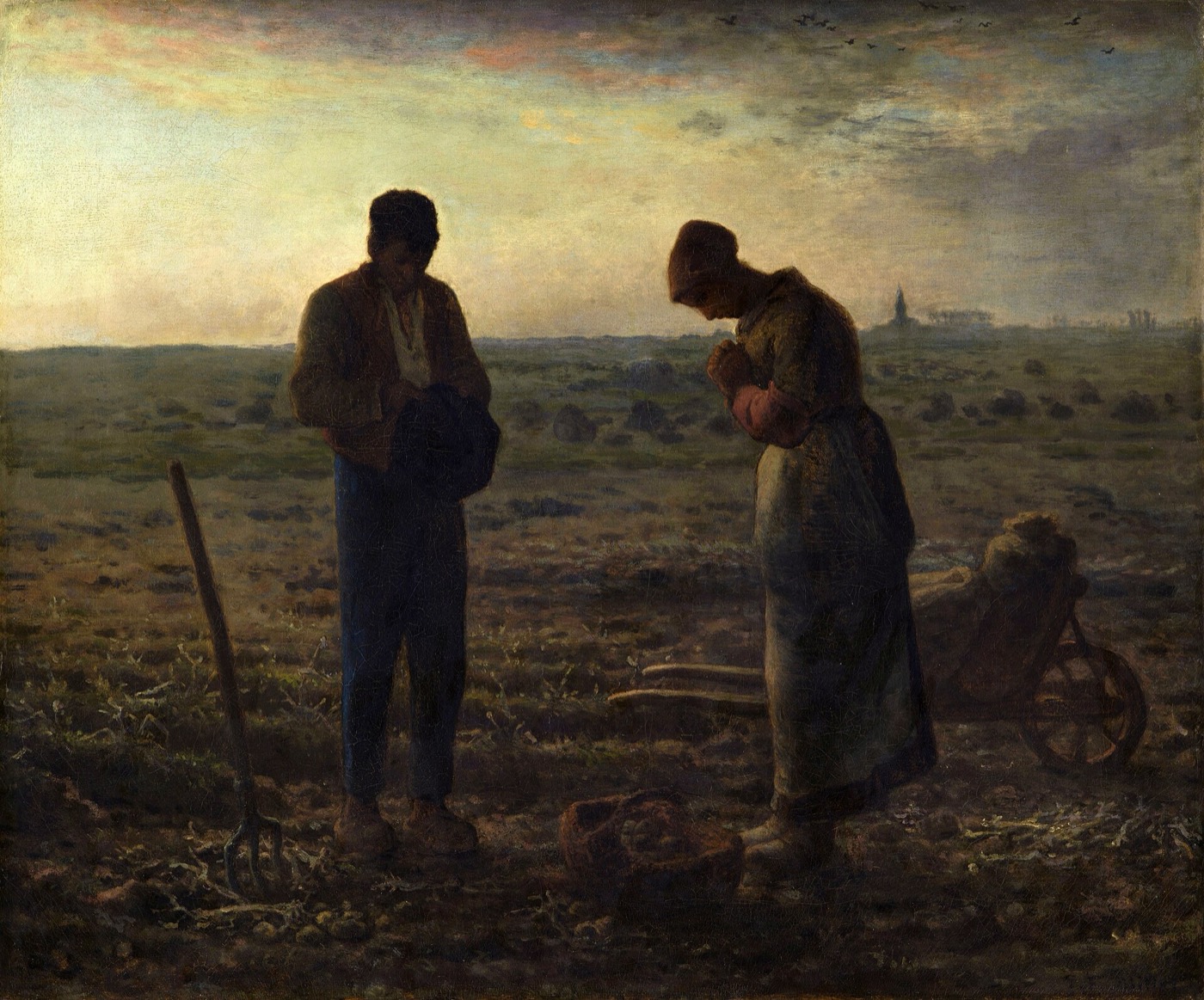
The Sacred Paschal Triduum is the heart of the entire Church year. Though it spans three days, the liturgy treats it as one unbroken celebration of Christ's Passion, death, and Resurrection — beginning Thursday evening and ending with Easter. It is the holiest time a Catholic can keep.
Holy Thursday
Mass of the Lord's Supper
The Triduum begins at sundown with the Evening Mass of the Lord's Supper, commemorating the Last Supper — where Jesus instituted the Holy Eucharist and the priesthood. The priest washes the feet of the faithful in imitation of Christ washing His apostles' feet. After Mass the Blessed Sacrament is carried in procession to an altar of repose, and the faithful keep watch in prayer, as the disciples were asked to watch with Jesus in the Garden of Gethsemane.
Good Friday
Celebration of the Lord's Passion
Good Friday is the day Christ died on the Cross. It is the one day of the year with no Mass anywhere in the Church. The faithful instead gather for the solemn Celebration of the Lord's Passion: the proclamation of the Passion according to John, the Solemn Intercessions, the Veneration of the Cross, and Holy Communion from hosts consecrated the night before. Good Friday is a day of fasting and abstinence — a day of sorrowful, expectant silence.
Holy Saturday & the Easter Vigil
the great night
Holy Saturday is a day of waiting at the tomb — no Mass during the daytime. Then, after nightfall, comes the Easter Vigil, the 'mother of all vigils' and the high point of the entire liturgical year. It begins in darkness with the blessing of the new fire and the lighting of the Paschal candle; the deacon sings the Exsultet, the great Easter proclamation. A series of Scripture readings traces salvation history, new members are baptized and confirmed, and the Church bursts into the Gloria and Alleluia as the Resurrection is proclaimed in the first Mass of Easter.
Good Friday is one of the Church's two days of fasting and abstinence (along with Ash Wednesday). A devotion especially fitting for Good Friday is the Stations of the Cross, which walks prayerfully through Christ's journey to Calvary.
The Easter Vigil Mass — the great night
Held after dark on Holy Saturday, the Easter Vigil is the most important Mass of the year. From the first spark of the new fire and the glow of the Paschal candle, through the Exsultet and the Scripture readings, to the baptism of new Catholics and the first Alleluia of Easter, it is the Church's fullest proclamation that Christ is risen. If you attend one Mass all year, let it be this one.
Find an Easter Vigil near me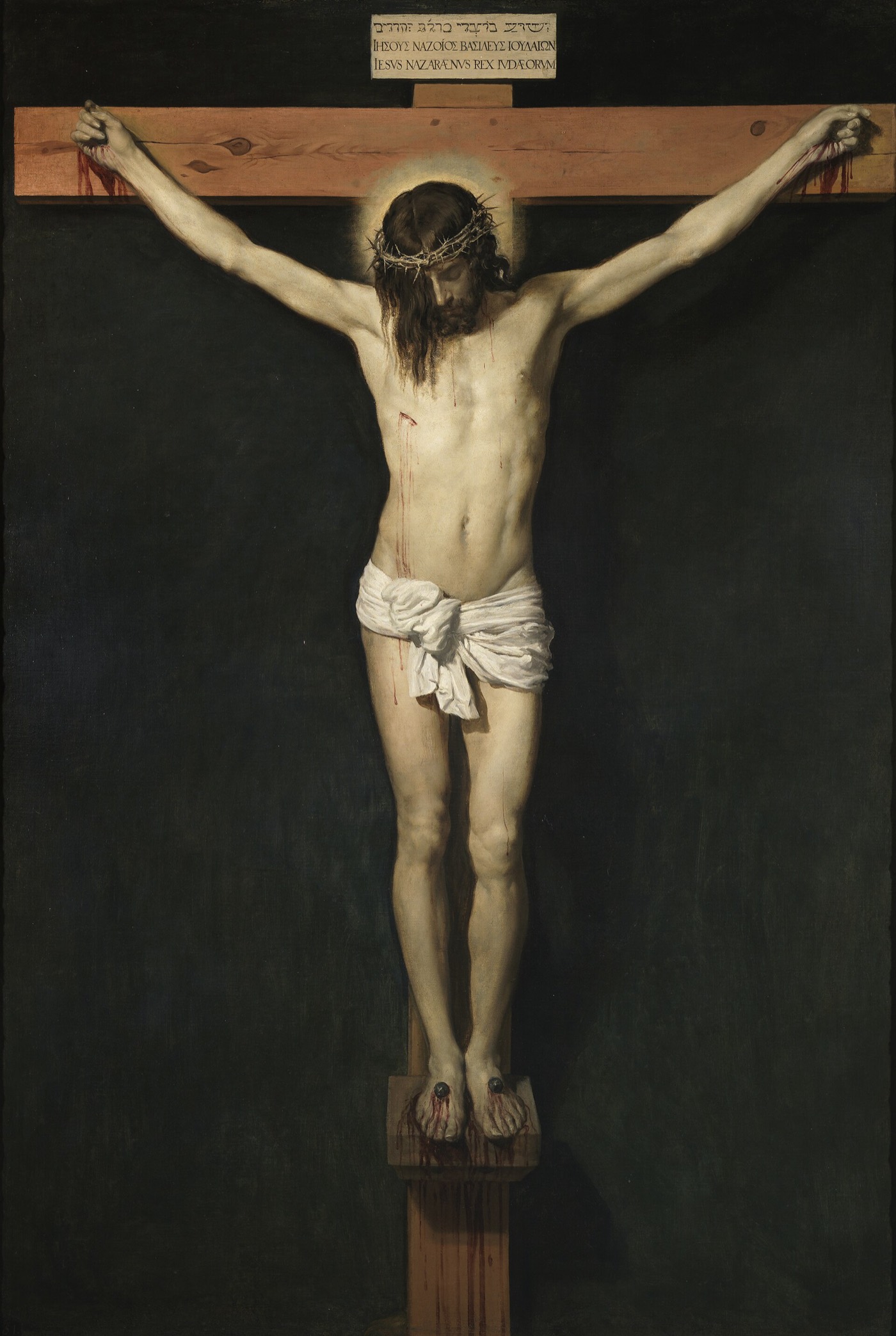
Easter Sunday: He is risen
Easter Sunday is the crown of Holy Week and the greatest feast of the Christian year — the day the Church celebrates the Resurrection of Jesus Christ from the dead. The fifty-day season of Easter that follows is a sustained outpouring of joy, longer even than Lent, for the Resurrection is the very foundation of the Christian faith.
The Octave of Easter — the eight days from Easter Sunday — is celebrated as one continuous feast, and the following Sunday is Divine Mercy Sunday. Whether you are returning after years away or keeping every day of the Triduum, find your Easter Sunday Mass near you and come home.
Holy Week — frequently asked questions
What is Holy Week?
Holy Week is the final week of Lent and the most sacred week of the Catholic year. Beginning on Palm Sunday, it walks with Jesus through His entry into Jerusalem, the Last Supper, His Passion and death, and His Resurrection on Easter Sunday.
What are the days of Holy Week in order?
Palm Sunday, Holy Monday, Holy Tuesday, Holy Wednesday (Spy Wednesday), then the Sacred Triduum — Holy Thursday, Good Friday, and Holy Saturday with the Easter Vigil — leading to Easter Sunday.
Is there Mass on Good Friday?
No. Good Friday is the one day of the year when no Mass is celebrated anywhere. The faithful gather instead for the solemn Celebration of the Lord's Passion: the reading of the Passion, the Veneration of the Cross, and Holy Communion from hosts consecrated the night before.
What is the Easter Vigil Mass?
The Easter Vigil is the most important Mass of the year, celebrated after nightfall on Holy Saturday. It begins with the new fire and the Paschal candle, the singing of the Exsultet, several Scripture readings, the baptism of new Catholics, and the first Mass of Easter proclaiming the Resurrection.
Do I have to fast during Holy Week?
Good Friday is a day of fasting and abstinence from meat for Catholics, as is Ash Wednesday. Fasting binds those aged 18 to 59; abstinence from meat binds those 14 and older. The Good Friday fast is ideally continued through Holy Saturday until the Easter Vigil.
Keep Holy Week with your community
Catholic Connect helps you walk every day of Holy Week — find Mass and confession near you, pray with our prayers and interactive Rosary, and meet Catholics nearby to keep these holy days together.
Before and after Holy Week
Holy Week is the summit of Lent and the gateway to Easter. Here is the rest of the road.
- Lent: the forty days beforeAsh Wednesday, fasting and abstinence, and how the season builds toward this week.
- Go to confession before EasterMost parishes add penance services in Holy Week. Find posted confession times near you.
- Triduum and Easter Mass timesHoly Thursday, Good Friday, the Easter Vigil — check your parish schedule on the map.
- Advent, the year's other preparationThe four weeks that ready the Church for Christmas, with the wreath and its candles.