Advent: Meaning, the Advent Wreath & How to Observe It
Advent is the four weeks before Christmas when the Church prepares for the coming of Christ. Learn what Advent means, the four candles of the Advent wreath, the color purple, and how to keep the season prayerfully.
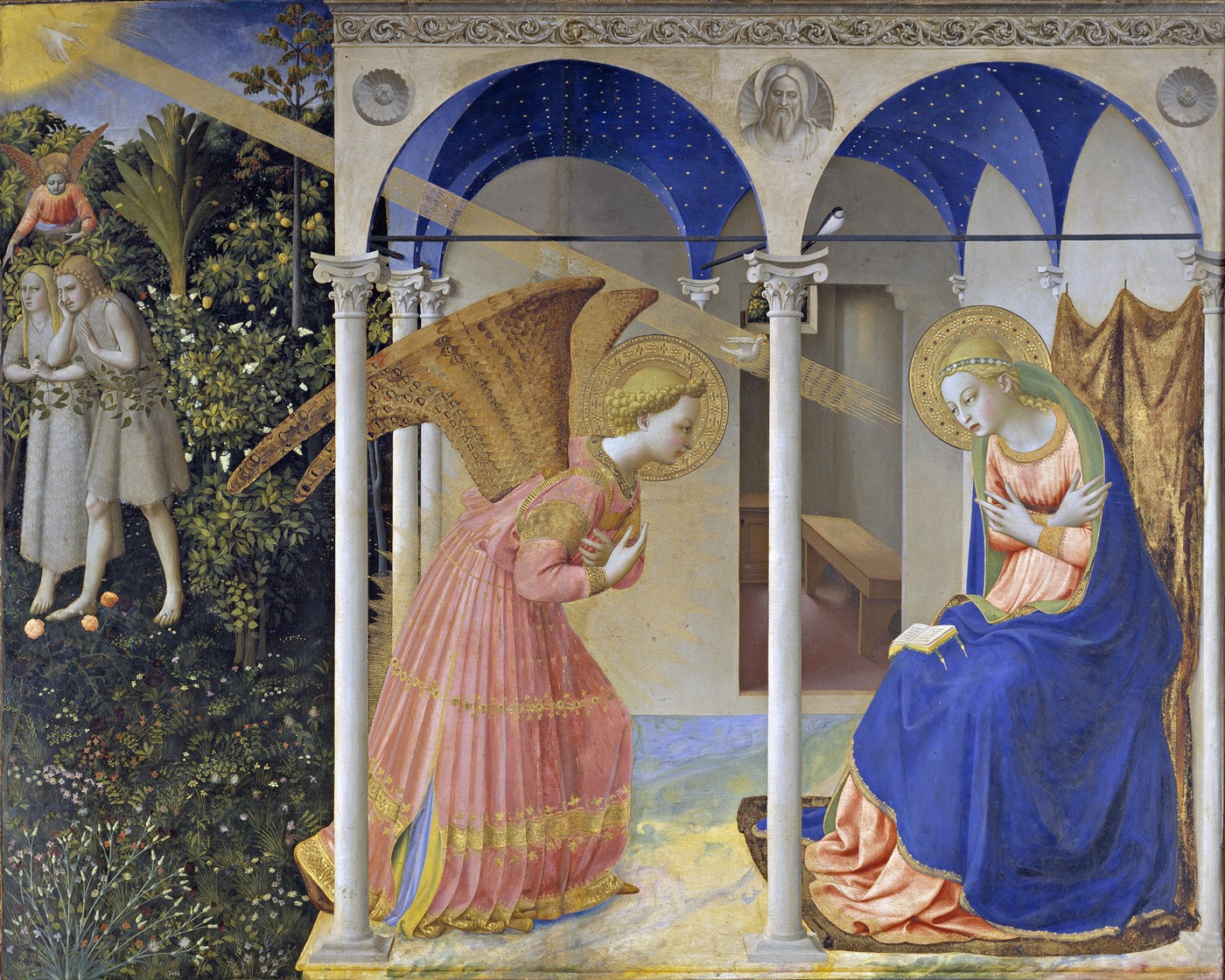
What is Advent?
Advent is the season of four weeks that opens the Catholic liturgical year and leads us to Christmas. The word comes from the Latin adventus, meaning “coming” or “arrival.” It is a time of joyful, hopeful waiting — not yet Christmas, but a holy season of preparation that helps us welcome the Lord with open hearts.
The meaning of Advent is twofold. We prepare to celebrate the first coming of Christ — His birth at the Nativity in Bethlehem — and at the same time we look forward to His Second Coming in glory at the end of time. So Advent is both a remembering and a watching: we remember that Christ has come, and we keep watch for the day He will come again.
Advent 2026 begins on Sunday, November 29, 2026 — the First Sunday of Advent. The season always starts on the fourth Sunday before Christmas and continues until the evening of Christmas Eve, December 24.
The Advent wreath
The Advent wreath is a cherished tradition in Catholic homes and parishes. It is a circle of evergreen branches — the circle a sign of God's eternity and the evergreen a sign of everlasting life — holding four candles, one for each week of the season.
Three of the Advent candles are purple and one is rose (pink). A new candle is lit each Sunday, so the light grows week by week as Christmas draws near — a beautiful sign of Christ, the Light of the World, coming into our darkness.
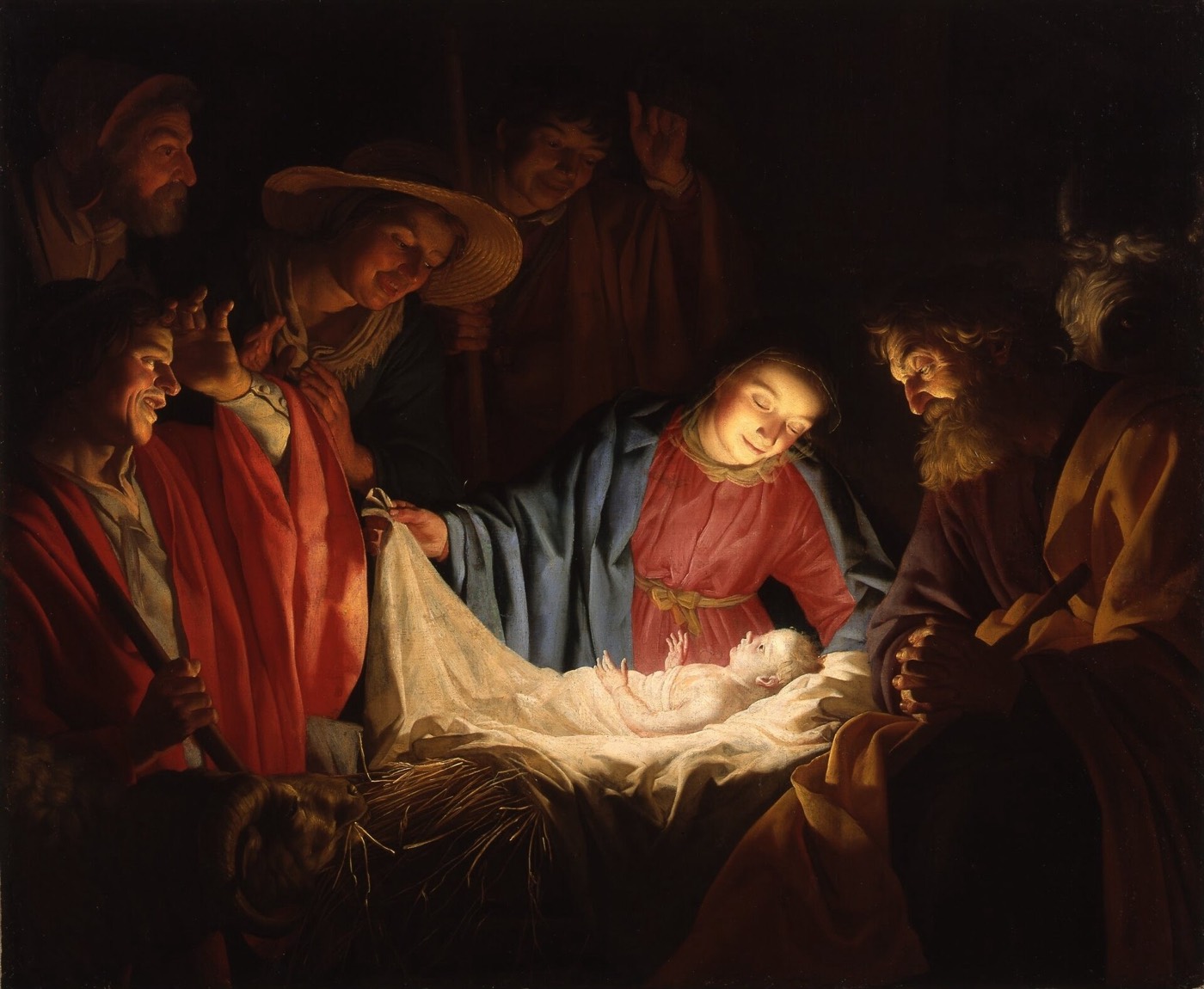
The four Advent candles and their meaning
The Prophecy Candle — Hope
The first purple candle is lit for hope. We remember the prophets, especially Isaiah, who foretold the coming of the Messiah, and we renew our hope in God's promises.
The Bethlehem Candle — Peace
The second purple candle is lit for peace. We hear the voice of John the Baptist, 'Prepare the way of the Lord,' and we make straight the paths of our own hearts.
The Shepherd's Candle — Joy
The rose candle is lit on Gaudete Sunday for joy. 'Gaudete' means 'rejoice' — Christmas is near. The lighter color marks a pause from the season's penitential tone to rejoice in the Lord's coming.
The Angel's Candle — Love
The final purple candle is lit for love. We turn to Mary's wholehearted 'yes' and prepare to welcome the Christ Child, the love of God made flesh, on Christmas Day.
The four candles are most commonly associated with Hope, Peace, Joy, and Love. The rose candle is lit on the Third Sunday — Gaudete Sunday — a joyful pause in the season's penitential mood, because the Lord's coming is now very near. Some families also place a white “Christ candle” in the center, lit on Christmas Day.
The color of Advent: purple
Purple (violet) is the liturgical color of Advent. The priest wears violet vestments and parishes are often draped in purple, because the color signifies preparation, penance, and prayerful expectation. Like Lent, Advent invites us to repentance — but with a quieter, more hopeful joy, since we await the Lord's birth.
There is one exception. On Gaudete Sunday, the Third Sunday of Advent, the Church may use rose vestments to mark a moment of rejoicing as Christmas approaches — the same reason the rose candle on the wreath is lit that day.
Advent calendars
An Advent calendar counts down the days to Christmas, usually with a little door, Scripture verse, or treat to open each day of December. What began as a simple way to help children wait has become a beloved devotion for all ages.
Used prayerfully, an Advent calendar is more than a daily treat — it is a gentle reminder to pause, pray, and prepare. Many Catholics pair each day with a short reading, a decade of the Rosary, or a small act of charity, so the countdown becomes a real journey of the heart toward the manger.
How to observe Advent prayerfully
Advent is a season of watching and waiting. These simple practices help you prepare not just your home, but your soul, to welcome Christ at Christmas.
Go to Mass and Reconciliation
Advent is a penitential season of preparation. Make a good confession before Christmas and consider attending a weekday Advent Mass or a parish Reconciliation service.
Find an Advent Mass near you →Pray every day
Set aside a few quiet minutes each day. Pray the Rosary, the O Antiphons in the final week, or a daily Advent devotion to keep your heart watchful and ready.
Open the prayers & Rosary →Light the Advent wreath
Gather your family each Sunday to light the wreath, read a short Scripture, and pray together. The growing light is a beautiful weekly sign of Christ drawing near.
Practice small acts of charity
Waiting for Christ is active, not idle. Give alms, forgive, visit the lonely, and prepare not only your home but your soul to receive the Lord at Christmas.
New to confession or returning after a while? Our step-by-step confession guide walks you through it gently — a perfect way to prepare your heart this Advent.
Frequently asked questions
What is the meaning of Advent?
Advent is the four-week season that begins the Catholic liturgical year and prepares us for Christmas. From the Latin adventus ('coming'), it is a time of joyful, hopeful waiting for the coming of Christ — both His birth at the Nativity and His return in glory at the Second Coming.
When does Advent 2026 begin?
Advent 2026 begins on Sunday, November 29, 2026 — the First Sunday of Advent. Advent always starts on the fourth Sunday before Christmas and runs until Christmas Eve, December 24.
What do the four Advent wreath candles mean?
The wreath holds four candles, one lit each week — three purple and one rose. They are commonly tied to Hope, Peace, Joy, and Love. The rose candle is lit on Gaudete Sunday, the Third Sunday, as a day of rejoicing because Christmas is near.
Why is purple the color of Advent?
Purple (violet) signifies preparation, penance, and prayerful expectation, so the priest wears violet throughout Advent — except on Gaudete Sunday, when rose may be worn to mark the nearness of Christmas joy.
What is an Advent calendar?
An Advent calendar marks the days of December leading to Christmas, with a small door, devotion, or treat for each day. Used well, it is a daily reminder to pray, do a small act of charity, and keep your heart fixed on the coming of Christ.
Keep a holy Advent
Catholic Connect helps you prepare for Christmas in one place — find an Advent Mass and Reconciliation service near you, pray the Rosary, and meet Catholics nearby to journey through the season together.
Keep the season going
Advent prepares for Christmas the way Lent prepares for Easter. These are the pages Catholics reach for next.
- Lent, explainedAsh Wednesday, the forty days, fasting and abstinence — what the season asks and why.
- Holy Week and the TriduumThe week the whole year points to, walked day by day from Palm Sunday to Easter.
- Pray a novenaNine days of prayer — including the St. Andrew Christmas novena prayed through Advent.
- Mass times near youFind your parish and its Advent and Christmas schedule on the free map.